Staff Opinion: Racial disparities stark in juvenile life without parole sentences
Read the full op-ed in The Detroit News here co-written by Abd’Allah Lateef, Deputy Director of CFSY with Kris Henning.
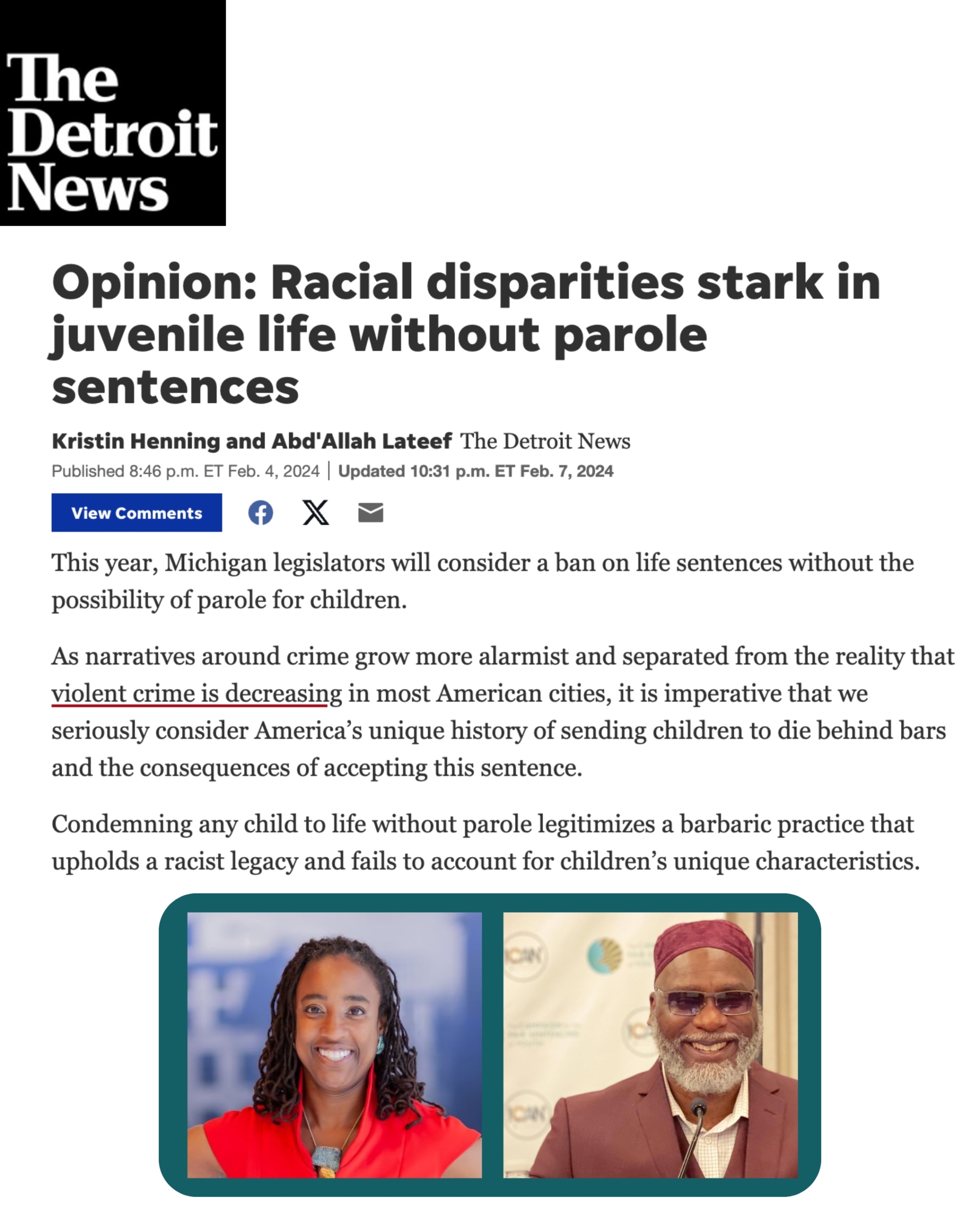


Read the full op-ed in The Detroit News here co-written by Abd’Allah Lateef, Deputy Director of CFSY with Kris Henning.
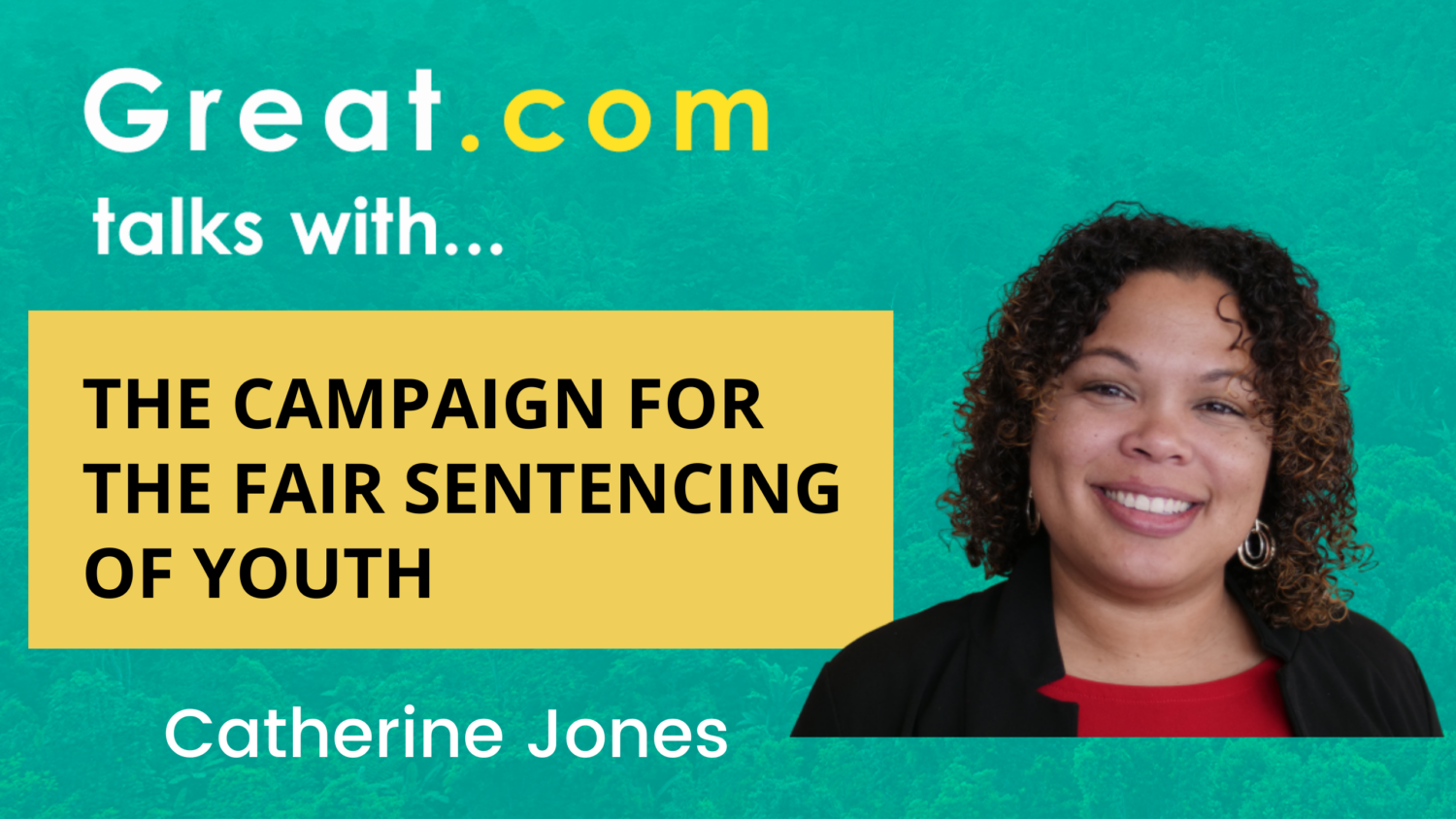
 Danielle Riberio from Great.com interviewed Catherine Jones, CFSY’s Co-Director of Outreach & Partnership Development, about juvenile life without parole sentences and CFSY’s efforts to end them.
Listen to episode 525 on all podcast applications here!

 PDF
PDFIn the past decade, there has been a trend of rejecting life-without-parole sentences for children across the nation. Lawmakers and advocates spanning political affiliations have embraced this policy reform that recognizes children’s unique capacity for change.
Ten of the 28 states that have banned juvenile life without parole (JLWOP) are conservative-leaning, red states. In fact, Kansas was the first state to ban JLWOP in the nation, pre-empting key Supreme Court decisions that catalyzed many state bans. Texas, Wyoming, and West Virginia were among the first ten states leading the national trend. In progressive states, many Republican lawmakers have been leaders, bill sponsors, and key supporters of this reform.
“This policy shift has been a victory for conservatism,” says Logan Seacrest, Criminal Justice and Civil Liberties Fellow at the R-Street Institute. “Permanently locking up children is incompatible with the values of limited government, fiscal responsibility, and the right to life and liberty.”
a:8:{s:8:”location”;a:1:{i:0;a:1:{i:0;a:3:{s:5:”param”;s:9:”post_type”;s:8:”operator”;s:2:”==”;s:5:”value”;s:6:”events”;}}}s:8:”position”;s:6:”normal”;s:5:”style”;s:7:”default”;s:15:”label_placement”;s:3:”top”;s:21:”instruction_placement”;s:5:”label”;s:14:”hide_on_screen”;s:0:””;s:11:”description”;s:0:””;s:12:”show_in_rest”;i:0;}
Campaign for the Fair Sentencing of Youth (EIN 27-3761788) is a registered 501(c)(3) nonprofit organization